A first person account of the story found in John 2.
The wedding feast was well under way and the guests were enjoying themselves as they danced and sang and celebrated with the groom and his new bride. As I moved through the crowd, filling cups and serving food, I noticed that one particular guest was at the centre of a group of people, who were in the middle of an animated discussion. I moved closer to see what was going on.
The man at the centre, a Rabbi I think, had been invited to the wedding along with his mother and his followers. I arrived just in time to hear him telling his mother, “Dear woman, that’s not our concern. And besides, My time has not yet come.”
At first I wasn’t sure what he was talking about, but it soon became clear that they were discussing the fact that the wine had all but run out. I felt embarrassed for the groom.
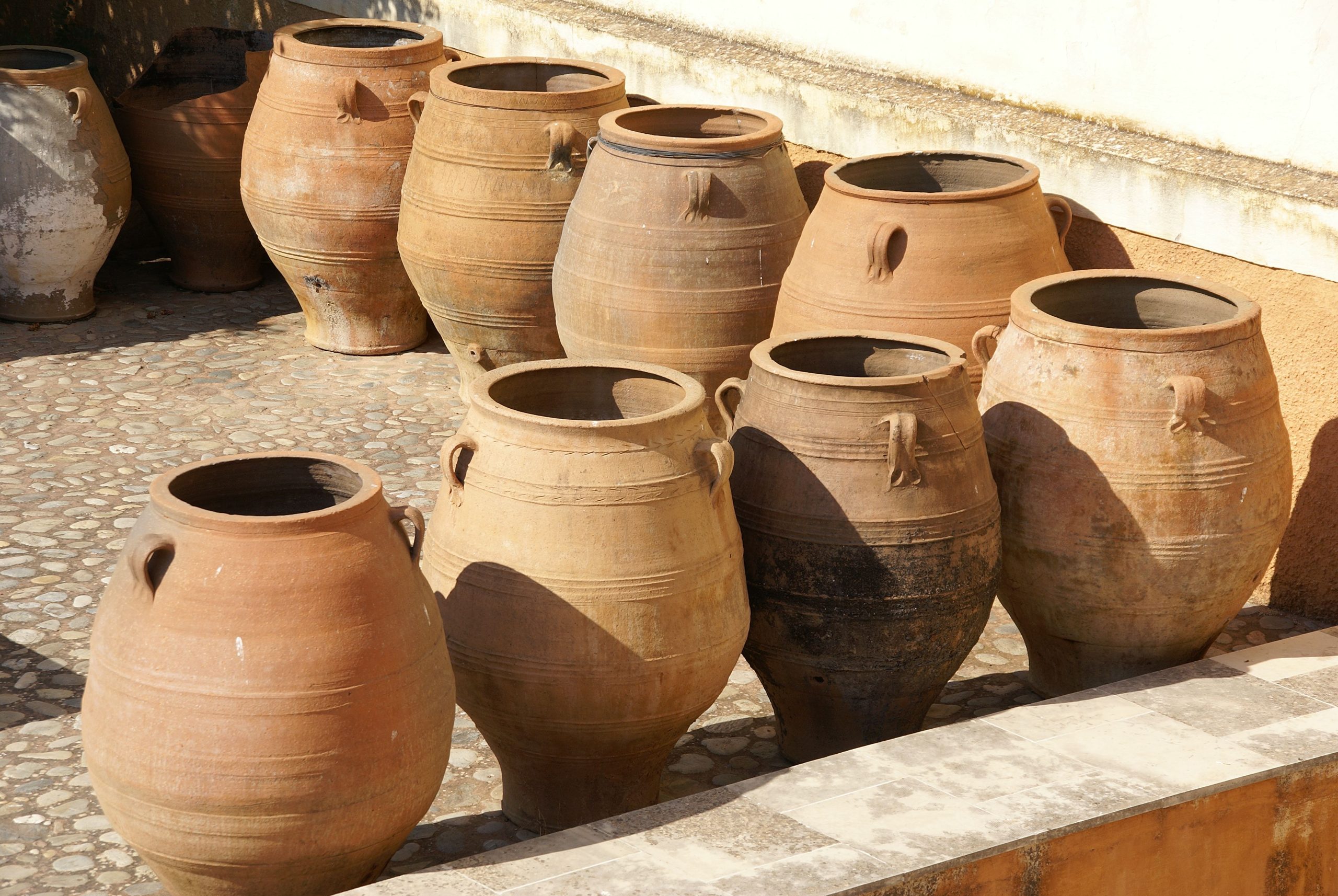
Then, without warning, the woman turned to me and said, “Do whatever my son tells you!” By this time, some of the other servants had joined me, and the Rabbi instructed us to fill the five stone urns that were nearby with water. These urns were usually used for ceremonial washing rituals and they varied in size. The smaller ones held about 75 litres of water while the bigger ones about 113 litres of water. So we set off to fetch all the water we needed to fill the urns. To and from the well we went until all five were filled to the very brim.
Once that was done, the Rabbi said to us, “Now fill a cup from one of the urns and take it to the master of ceremonies.”
So I took a cup and dipped it into the urn, careful not to spill any. As I did, I saw something that I will never forget — the water had turned into wine! I immediately went to find the master of ceremonies. He looked at me for a moment, then took the cup from my hand and tasted it. The look of surprise on his face was priceless and he rushed off to find the groom.
“A host always serves the best wine first, then, when everyone has had a lot to drink, he brings out the less expensive wine. But you — you have kept the best until now!”
Neither the groom nor the master of ceremonies knew where this good wine had come from, but I did. Whoever this Rabbi was, he had brought great joy and blessing to the groom and his new bride. This was going to be a wedding feast that would be remembered for years to come.
Personal Reflections
As I sat in this story, a few things jumped out for me…
The first thing that caught my attention was the idea that Jesus had the servants fill the stone water jars to the brim. This is not something that I can say I have ever noticed before. Now I’m not sure of His reasoning for doing this, but it occurred to me that by filling them to absolutely full, there was no way someone could accuse Jesus of sneaking something in. The other thing that stood out for me here was the amount of work involved in filling six stone jars. The story tells us that these were the kind of water jars used for Jewish ceremonial washing, each holding 2 or 3 measures (20-30 gallons or75-113 litres). That’s between 450 and 678 litres in total and that’s going to take some effort!
In the story, we hear Jesus’ mother tell the servants (plural – implying more than one) to do whatever her son tells them to do. So even if there were three servants, each servant would have to carry 150-226 litres each! How far away was the well? And how many trips back and forth did it take? We just don’t know, but either way, it required some effort.
In a world that demands instant results, fast and efficient service and tap and go convenience; I am reminded that doing the work that Jesus sets before me will take time, effort and perseverance.
As I reflected on this, I sensed the Spirit reminding me about my own ‘call’ to the work Jesus places before me. The truth is, I can only bring water and I must bring it in faith — not skimping or short changing — but filling the jars to the brim. That is all I am called to do. What Jesus does with that water is up to Him.
One of the questions that came out of my time in this story was this; What is it about this generous, extravagant act that reveals God’s Glory? I’m not sure I can fully answer that just yet. Having said that, I was surprised to discover how this story plays out when you look at it from the Grooms perspective.
For the most part, he has nothing to do with what is going on in this story, other than it is his wedding where it takes place. Yet, when you think about it, as far as the wedding guests are concerned, he is the hero of the story. It is the Groom who has invited the guests. It is the Groom who is hosting the banquet. It is the Groom who has blessed his guests with an extravagant surprise and a generous gesture. You see, as far as the guests are concerned, the Groom is the one who has saved the best for last. By serving the best wine later, he not only adds joy to the festivities, but he blesses his guests by honouring them as worthy recipients.
I wonder, if like me on occasion, he had a moment of imposter syndrome? What if the guests find out this act of generosity is not my doing? What if the people around me discover what I’m really like? What if people expect greater things from me in the future?
As I reflect on these questions and their implications in my own experience, I find myself drawn once again into the safe place that is God’s Grace in my life. I am reminded, once again, that it is He that lives in me that accomplishes His purposes through me.
This is good — not because it offers me an excuse to justify my lack of faith or fear of failure — but because it confirms that God’s Grace in my life is all I need. It is sufficient. Again, what he does with the water I bring in faith is entirely up to him. When people are blessed because of what I do or say, that is His work in and through me. I am not an imposter; I am simply a faithful servant doing what I have been asked. As I look back over the years, I can see quite clearly those times when I was happy to accept this position with humility. I can also see those time when I did not.
One other aspect of this story that really caught my attention was the nature of the wine and what it might represent. When the master of ceremonies tasted the wine that Jesus had provided, he commended the Groom on saving the best for last. What Jesus has done here is astounding. Think about it.
This is not cheap wine made good — not something old made new or better — but something altogether new that surpasses the old.
I am still processing what this means for me, but I have a suspicion. It seems to me that God is using this current time to prepare His Church for the new season that is unfolding and I also can’t help but wonder if God is planning to reveal His Glory in a new and wonderful way.
A Kingdom of generous outpouring that brings joy and blessing. Not sure what that is going to look like — but I’m keen to be a part of it.
Image credit: Pixels
Leave a Reply