Author: Matt Fricker

  • Saving The Best For Last

    Saving The Best For Last


    The wedding feast was well under way and the guests were enjoying themselves as they danced and sang and celebrated with the groom and his new bride. As I moved through the crowd, filling cups and serving food, I noticed that one particular guest was at the centre of a group of people, who were in the middle of an animated discussion. I moved closer to see what was going on.

    The man at the centre, a Rabbi I think, had been invited to the wedding along with his mother and his followers. I arrived just in time to hear him telling his mother, “Dear woman, that’s not our concern. And besides, My time has not yet come.”

    At first I wasn’t sure what he was talking about, but it soon became clear that they were discussing the fact that the wine had all but run out. I felt embarrassed for the groom.

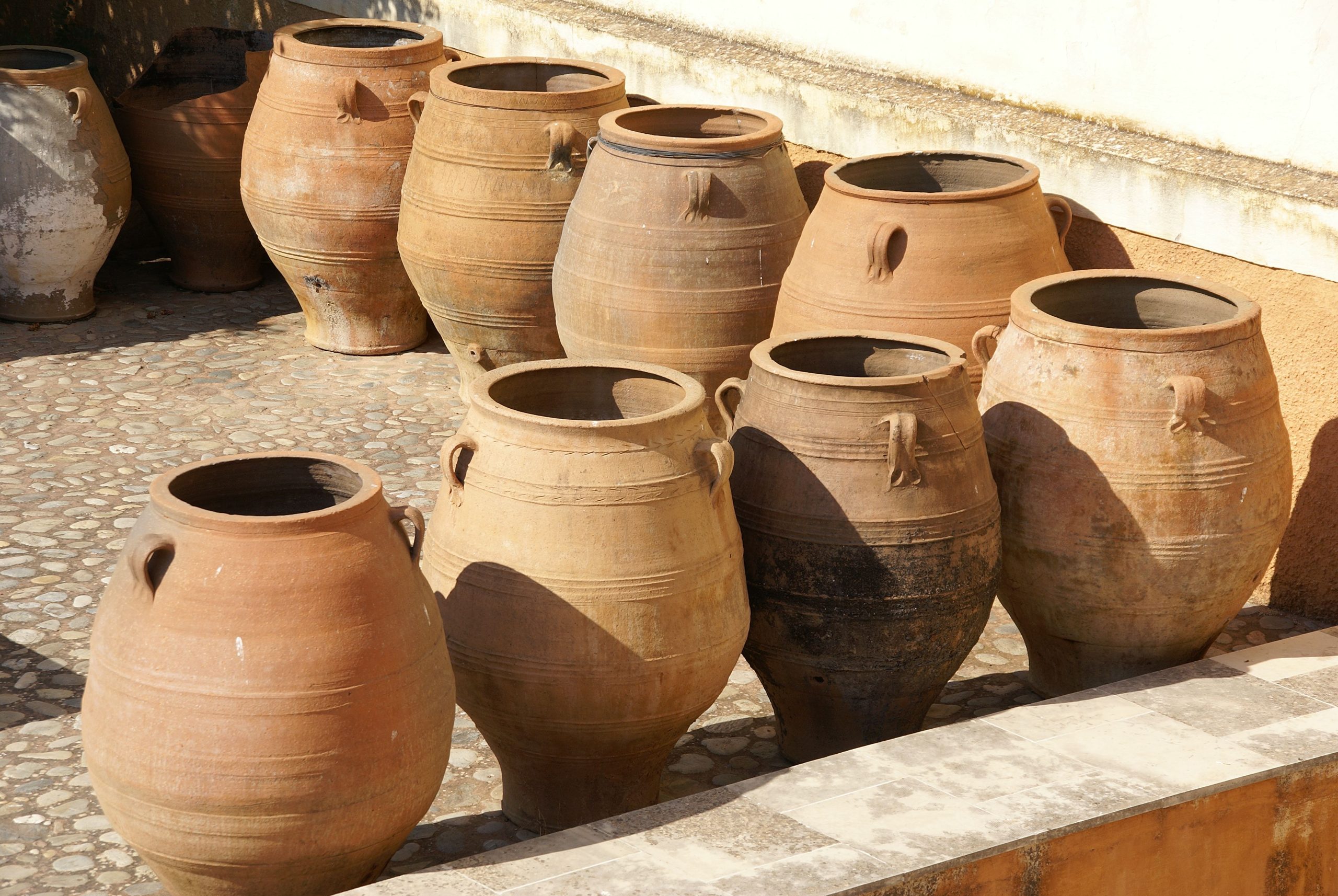
    Then, without warning, the woman turned to me and said, “Do whatever my son tells you!” By this time, some of the other servants had joined me, and the Rabbi instructed us to fill the five stone urns that were nearby with water. These urns were usually used for ceremonial washing rituals and they varied in size. The smaller ones held about 75 litres of water while the bigger ones about 113 litres of water. So we set off to fetch all the water we needed to fill the urns. To and from the well we went until all five were filled to the very brim. 

    Once that was done, the Rabbi said to us, “Now fill a cup from one of the urns and take it to the master of ceremonies.” 

    So I took a cup and dipped it into the urn, careful not to spill any. As I did, I saw something that I will never forget — the water had turned into wine! I immediately went to find the master of ceremonies. He looked at me for a moment, then took the cup from my hand and tasted it. The look of surprise on his face was priceless and he rushed off to find the groom.

    “A host always serves the best wine first, then, when everyone has had a lot to drink, he brings out the less expensive wine. But you — you have kept the best until now!” 

    Neither the groom nor the master of ceremonies knew where this good wine had come from, but I did. Whoever this Rabbi was, he had brought great joy and blessing to the groom and his new bride. This was going to be a wedding feast that would be remembered for years to come. 


    Personal Reflections

    As I sat in this story, a few things jumped out for me…

    The first thing that caught my attention was the idea that Jesus had the servants fill the stone water jars to the brim. This is not something that I can say I have ever noticed before. Now I’m not sure of His reasoning for doing this, but it occurred to me that by filling them to absolutely full, there was no way someone could accuse Jesus of sneaking something in. The other thing that stood out for me here was the amount of work involved in filling six stone jars. The story tells us that these were the kind of water jars used for Jewish ceremonial washing, each holding 2 or 3 measures (20-30 gallons or75-113 litres). That’s between 450 and 678 litres in total and that’s going to take some effort!

    In the story, we hear Jesus’ mother tell the servants (plural – implying more than one) to do whatever her son tells them to do. So even if there were three servants, each servant would have to carry 150-226 litres each! How far away was the well? And how many trips back and forth did it take? We just don’t know, but either way, it required some effort. 

    In a world that demands instant results, fast and efficient service and tap and go convenience; I am reminded that doing the work that Jesus sets before me will take time, effort and perseverance. 

    As I reflected on this, I sensed the Spirit reminding me about my own ‘call’ to the work Jesus places before me. The truth is, I can only bring water and I must bring it in faith — not skimping or short changing — but filling the jars to the brim. That is all I am called to do. What Jesus does with that water is up to Him. 

    One of the questions that came out of my time in this story was this; What is it about this generous, extravagant act that reveals God’s Glory? I’m not sure I can fully answer that just yet. Having said that, I was surprised to discover how this story plays out when you look at it from the Grooms perspective. 

    For the most part, he has nothing to do with what is going on in this story, other than it is his wedding where it takes place. Yet, when you think about it, as far as the wedding guests are concerned, he is the hero of the story. It is the Groom who has invited the guests. It is the Groom who is hosting the banquet. It is the Groom who has blessed his guests with an extravagant surprise and a generous gesture. You see, as far as the guests are concerned, the Groom is the one who has saved the best for last. By serving the best wine later, he not only adds joy to the festivities, but he blesses his guests by honouring them as worthy recipients. 

    I wonder, if like me on occasion, he had a moment of imposter syndrome? What if the guests find out this act of generosity is not my doing? What if the people around me discover what I’m really like? What if people expect greater things from me in the future? 

    As I reflect on these questions and their implications in my own experience, I find myself drawn once again into the safe place that is God’s Grace in my life. I am reminded, once again, that it is He that lives in me that accomplishes His purposes through me.

    This is good — not because it offers me an excuse to justify my lack of faith or fear of failure — but because it confirms that God’s Grace in my life is all I need. It is sufficient. Again, what he does with the water I bring in faith is entirely up to him. When people are blessed because of what I do or say, that is His work in and through me. I am not an imposter; I am simply a faithful servant doing what I have been asked. As I look back over the years, I can see quite clearly those times when I was happy to accept this position with humility. I can also see those time when I did not. 

    One other aspect of this story that really caught my attention was the nature of the wine and what it might represent. When the master of ceremonies tasted the wine that Jesus had provided, he commended the Groom on saving the best for last. What Jesus has done here is astounding. Think about it.

    This is not cheap wine made good — not something old made new or better — but something altogether new that surpasses the old. 

    I am still processing what this means for me, but I have a suspicion. It seems to me that God is using this current time to prepare His Church for the new season that is unfolding and I also can’t help but wonder if God is planning to reveal His Glory in a new and wonderful way. 

    A Kingdom of generous outpouring that brings joy and blessing. Not sure what that is going to look like — but I’m keen to be a part of it. 


    Image credit: Pixels

  • Community Of Learning

    Community Of Learning

    I love the story of Jesus ditching his parents in favour of hanging out in the temple in Jerusalem (Luke 2:41-52). Jesus’ parents had set off home towards Nazareth, thinking that the young Jesus was travelling somewhere in their group with the rest of their family and friends. Unbeknown to them, Jesus had stayed in Jerusalem and after a frantic three days of searching for him, they found him in the temple courts.

    As I reflect on this story, I am drawn to verses 46-47.  

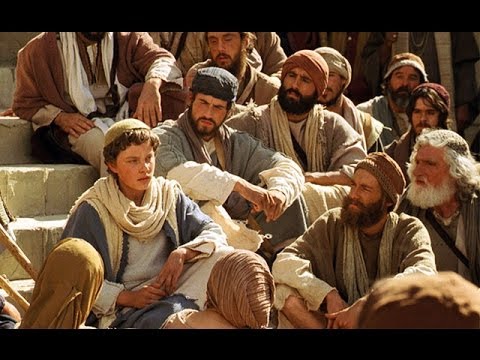
    After three days they found him in the temple courts, sitting among the teachers, listening to them and asking them questions. Everyone who heard him was amazed at his understanding and his answers. 

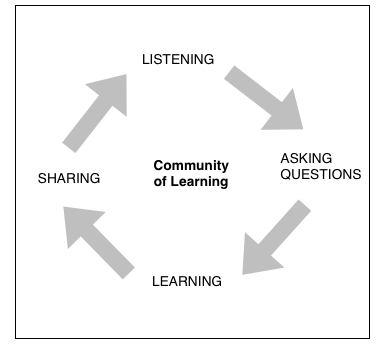
    As I consider these two verses, it occurres to me that this is an excellent example of a shared learning environment. Notice that Jesus is both listening to the teachers and asking questions. Notice also, that everyone who heard him (the implication being that ‘everyone’ here means those who were involved in the conversation) was amazed at his understanding and his answers. 

    The best way I can think of to picture what is going on here is to visualise it with a diagram. 

    This community of learning is not a new idea in the context of the Jewish temple. It is how people discussed ideas, debated topics and learnt from each other. I can imagine that at times it got quite lively. There was always room for disagreement and robust debate. But most importantly, there was a culture of listening and asking questions, of sharing answers and knowledge. 

    I can’t help but wonder why we don’t encourage this more in our own faith communities. 


    Invitation to act: What might it look like if we actively invited people to participate in a shared learning environment? Imagine how vibrant and inclusive our faith communities might be if we dared to encourage people of all ages to step into the conversation and become active participants in a community of learning. 


    Image credit: Courtesy of Lumo Project Films
  • Terrified Of Jesus

    Terrified Of Jesus

    Every time I come across the story of Jesus calming the storm, I find myself wondering about the disciples’ response to what Jesus does. 

    In particular, I have been confounded by the shift from fear to terror. 

    When Jesus woke up, he rebuked the wind and said to the waves, “Silence! Be still!” Suddenly the wind stopped, and there was a great calm. Then he asked them, “Why are you afraid? Do you still have no faith?” The disciples were absolutely terrified. “Who is this man?” they asked each other. “Even the wind and waves obey him!”
    Mark 4:39-41

    One of the questions we need to ask from this passage is ‘What does this story tell us about Jesus?’

    As I think about this question, I am reminded of the story of when Jesus called the four fisherman. In Luke’s extended version of that event, we have recorded an interesting dialogue between Jesus and Simon Peter. You can read the story here.

    When Simon Peter realised what had happened, he fell to his knees before Jesus and said, “Oh, Lord, please leave me—I’m such a sinful man.” For he was awestruck by the number of fish they had caught, as were the others with him. His partners, James and John, the sons of Zebedee, were also amazed. Jesus replied to Simon, “Don’t be afraid! From now on you’ll be fishing for people! And as soon as they landed, they left everything and followed Jesus.”
    Luke 5:8-10

    It turns out that the Greek word translated as afraid in Luke 5:10 is the same as the word translated as terrified in Mark 4:41. The word is Phobos and it implies to fear something or someone out of awe and reverence ( ie, the fear of God). 

    This is significant. For Simon Peter, the realisation of who Jesus was in that moment resulted in fear. Why? Well, it turns out that there is a much deeper, historical context to Simon’s response,and it has its origins in Simon’s understanding of the Old Testament stories. 

    You see, Simon fully recognised that this miraculous catch of fish was nothing short of a divine intervention by God. And he was afraid. Why? Because all throughout the history of Israel, whenever someone encountered the power and manifest presence of God, they expected to die. 

    So what was it about who Jesus was that warranted the same response from the disciples in the boat on that stormy night? 

    The answer can be found by looking at the difference between the two fears. 

    In verse 40, Jesus asks them, “Why are you fearful?” The word here is deilos and it means to be afraid, timid or cowedly. The disciples, even though some of them were seasoned fisherman, were afraid that they were going to die in the raging storm. This is a natural human response considering the situation. 

    Now contrast that with terrified in verse 41. To be more exact, the word terrified is actually made up of two greek words, phobos megas, or literally, great or intense fear. 

    The disciples went from being afraid because of the situation they were in, to being overwhelmingly afraid because of what Jesus did. But what exactly did he do that solicited such a strong response? 

    Once again, it turns out that there is a much deeper, historical context that explains the disciples response, and it has its origins in their understanding of the Old Testament.

    You quieted the raging oceans with their pounding waves…
    Psalm 65:7

    You rule the oceans. You subdue their storm-tossed waves.
    Psalm 89:9

    Some went off to sea in ships, plying the trade routes of the world. They, too, observed the Lord’s power in action, his impressive works on the deepest seas. He spoke, and the winds rose, stirring up the waves. Their ships were tossed to the heavens and plunged again to the depths; the sailors cringed in terror. They reeled and staggered like drunkards and were at their wits’ end. 
    “Lord, help!” they cried in their trouble, and he saved them from their distress. He calmed the storm to a whisper and stilled the waves. What a blessing was that stillness as he brought them safely into harbor!
    Psalm 107:23-30

    Like Simon Peter in Luke 5, the disciples in the storm tossed boat fully recognised that this miraculous calming of the wind and of the waves was nothing short of a divine intervention by God.

    In the Old Testament, only God could command the forces of nature. Think about that for a moment. Jesus didn’t pray to his father to intervene on their behalf…the wind and waves were obedient to the power of His command!

    The disciples’ awe inspired fear is understandable and their question is valid…

    “Who is this man?”


    I invite you to pray with me: Lord Jesus, help me to gain a deeper understanding of who you really are.


    Image credit: Matt Fricker Photography

  • Do As I Have Done

    After washing his disciples feet, Jesus said to them: “Now that I, your Lord and Teacher, have washed your feet, you also should wash one another’s feet. I have set you an example that you should do as I have done for you.”

    Prayer for today…

    Lord, in an age when so much of our culture thrives on outrage and division, and everyone has an opinion, may your Church be an oasis of cleansing grace and kindness.

    Excerpt from todays reflection on Lectio 365

  • The Vine Keeper

    The Vine Keeper

    A longer story that I wrote over a decade ago, but one that feels more relevant to me now than ever.

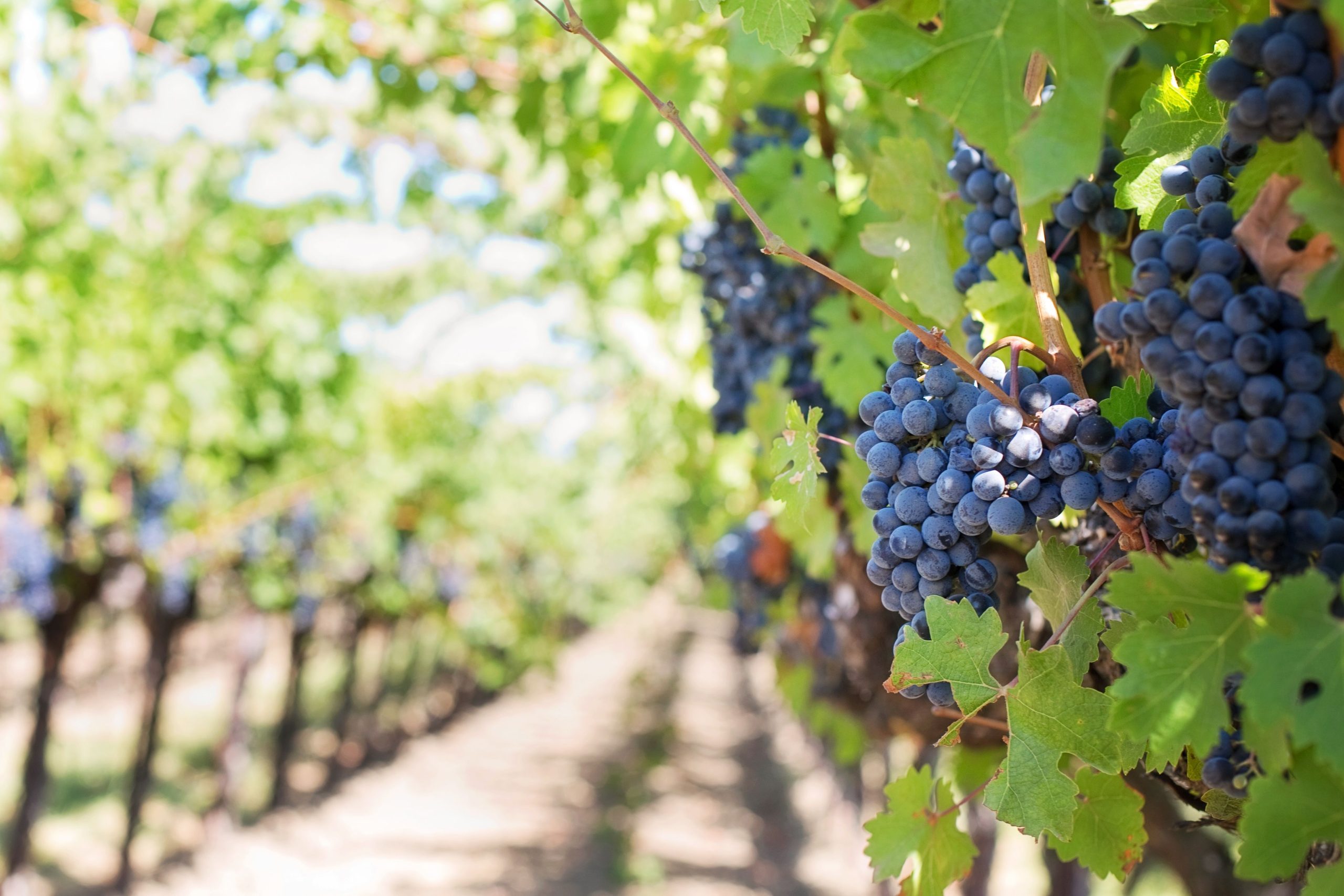
    Image credit: Pexels.

    Everyday, come rain or shine, a man takes a walk around a vineyard. He walks slowly, carefully, his eyes continually scanning the vines. As he moves along the rows, his hands raised, he gently brushes the dark green leaves. Every now and then the man stops. Carefully, he reaches into the vine and takes hold of a bunch of grapes, his gnarled, sun bleached hands caressing the delicate fruit. A smile comes across his weathered face. The lines at the corner of eyes deepen as he looks around at all the other bunches near by. Fat, juice filled grapes hang heavy on every vine… except one. The man loosens his grip and leaves the grapes to continue growing. As he moves toward the vine that caught his attention, his eyes carefully assessing the situation, he sees something that causes him great concern. Slowly, the man drops to his knees. Getting close the ground, he examines the trunk of the vine. Digging just below the surface, he discovers what he expected all along. This vine, which for many years had been vigorous and fruitful, producing many, many grapes, was now dying. Its roots were withered up and its ability to drink deeply from the earth had gone.

    As the man knelt there in the dirt, his mind was filled with many memories. It was as if this was the only vine in his vineyard. He remembered the day it was planted. He recalled how he had to hand water the fragile new root stock, almost willing it to survive. He fondly remembered the day that the first leaves appeared, and the time when frost almost killed it. He remembered the day when all the new vines were finally tall enough to be tied down to the trellis wire, and how bare they looked after their first pruning. As he recalled all this, the man felt a heaviness in his heart.

    The vine keeper knew what had to be done. Even though this vine still had green leaves, its fruit was small, dry and bitter. Sure, it could continue to be a nice vine… but it was no longer a fruit bearing plant, and the reality is that a fruitless vine has no place in a vineyard. The man’s attention shifted back to the vine. Slowly, he reached his hand around to his back and pulled his lopping saw from its sheath. He opened the blade and placed the sharp teeth against the trunk, as low to the ground as possible. He took a deep breath, held it for a moment, then let it out. As he did, he pulled the saw toward him. Its teeth cut into the dying vine as if it was butter. The man continued to cut, push-pull, push-pull… until eventually the teeth of the saw broke through the bark on the other side.

    It wasn’t long before the season began to change, and long after all the grapes had been harvested, the leaves on all the vines began to turn red and yellow. Soon after that they fell to the ground, piling up in golden rows along the fence. Autumn gave way to winter. The cold, long days passed slowly and not much happened in the vineyard. Winter storms came and went, soaking the ground and causing the grass to grow thick and green. But every day, the man who owned the vineyard walked among the vines… watching, looking, waiting.

    Ever so slowly, the grey winter was overtaken by the brilliant colors of spring. The fruit trees blossomed and the clover covered the ground like a carpet. Magpies started rebuilding their nests and the flying ants began to appear in the warm of the late afternoon sun. Everything was coming to life again. New growth appeared everywhere… but not on the vines. They hung on the trellis wire, pale and bare. Soon the vine keeper would come with his loppers and his pruning shears, cutting back last seasons growth, thinning each vine of all but the two strongest branches. These he would tie to the trellis wire, secure and safe from the strong easterly winds. The branches that got cut off were collected into large piles between the rows of vines and burnt, their ash being returned to the ground.

    At last the pruning was done, and the man paused to look over his vineyard. He carefully scanned the rows of vines, looking at each one. Once again a smile crept across his face. It was a smile of satisfaction, of a job well done, and the man took great delight in the work of his hands. As he gazed over the vines in front of him, his eye once again fell on a certain spot. He made his way over to the spot and crouched down to take a closer look. There in the ground, in the very same place where he had kneeled in the dirt almost a year ago, was a new vine. It had only been planted a few days previously and already it had a new shoot. The man smiled to himself and spoke to the young vine, in a soft low voice that could hardly be heard. He reached out his hand and touched the tender shoot and for a brief moment, time stood still.

    After a while, he straightened his back, drew a deep breath of the fresh spring air, and continued his walk through his vineyard… just as he did every day.

  • Blinding Re-alignment

    Blinding Re-alignment

    Rewritten from a post first published June 2015.


    Sometime between AD 15—20 Saul began his studies of the Hebrew Scriptures in the city of Jerusalem under Rabbi Gamaliel, in one of the the most prominent rabbinical schools of that day, founded by his grandfather, Hillel. Gamaliel was also the president of the Sanhedrin, a position he inherited from his father.

    It was in this environment that Saul received his education in Judaism and became well versed in its dogma and law. Sometime during his educational years, it was instilled in him a fervent hatred for Christ and His followers.  This indoctrination set Saul up to become the perfect agent in the employment of the Sanhedrin against the Christians. In the thirty something years that Saul was in Jerusalem, he would have made many trips throughout the Roman world working to arrest and testify against the followers of Jesus Christ. One such trip was to the city of Damascus, located 130 miles from Jerusalem. Saul was going there with the sole purpose of arresting the followers of Christ.

    Luke (the writer of Acts) tells us that Paul took the initiative of going to the High Priest to ask for authority to go to Damascus to hunt out the Christians there. While on his way to Damascus, Saul was stopped in his tracks by a blinding light. What followed was one of the most dramatic conversions in Christian history. Right there on the road, Saul was confronted by Jesus himself.

    “He fell to the ground and heard a voice saying to him, “Saul! Saul! Why are you persecuting me?”
    “Who are you, lord?” Saul asked.
    And the voice replied, “I am Jesus, the one you are persecuting! Now get up and go into the city, and you will be told what you must do.”
    Acts 9:4-6

    Saul of Tarsus became the apostle Paul, missionary to an unbelieving world and a fine example of faithful service in the face of fierce persecution. Saul’s education, his background as a Pharisee, his Roman citizenship, and his unflagging zeal all contributed to his success as a missionary, but only once those credentials and traits had been subjugated to the lordship of Jesus.


    Pray with me: Lord Jesus, I invite you to re-align any aspect of my life that needs to come under your lordship. 


    Image credit: Pexels

  • The Road To Wisdom

    The Road To Wisdom

    I love a big blue sky and sunny days. It’s part and parcel of living in Australia. But I love bad weather days even more. Not that I think there is any such thing as ‘bad weather’. As a landscape and severe weather photographer, getting out into the natural environment on a stormy day has many rewards. The drama of ever changing clouds. The dark and moody shadows under a rain storm. The brilliance and awe inspiring power of a thunderstorm. The vivid contrast between earth and sky. All these things make weather photography an exciting, challenging and rewarding adventure.

    But there is also something very humbling about being in close proximity to a thunderstorm. The shear power and raw energy is both exhilarating and terrifying at the same time. As a thunderstorm approaches, you can feel the atmosphere change. The wind speed increases. The air becomes charged with energy. You can ‘feel’ the power—sense it’s mood— and there is a moment when you begin to question your decision to place yourself in a potentiality high risk environment.

    A million thoughts race though your mind. Should I stand defiant—as if I am able to tame the beast that moves towards me—or should I retreat? And then, just when you think you have all your emotions under control, a bolt of lightning shatters the darkness, unleashing the kind of primal power that reminds you just how small you really are. Personally, I find these moments in nature to be very rewarding; spiritual even. To be in the presence of such awesome power does something in my soul. In a strange way—which I can’t quite explain—it’s like the passing storm gathers up all my self loathing, bottled up anger, doubt and fear, and carries it away. It is often a cathartic experience and I come away feeling like I have a little more clarity and insight. I feel at peace with the world and re-energised to face the challenges of life.

    The only problem with this is that—like all addictions—the feeling fades and needs to be fed from time to time to maintain the effect. Surely there is a better, more lasting way to achieve this sense of peace and wellbeing.

    As I was reading though the story of Job recently, my attention was drawn to one particular idea; that in the midst of the chaos called life, God invites us to allow Him to show us the true path to wisdom.

    “God alone understands the way to wisdom; he knows where it can be found, for he looks throughout the whole earth and sees everything under the heavens. He decided how hard the winds should blow and how much rain should fall. He made the laws for the rain and laid out a path for the lightning. Then he saw wisdom and evaluated it. He set it in place and examined it thoroughly. And this is what he says to all humanity: ‘The fear of the Lord is true wisdom; to forsake evil is real understanding.’” Job 28:23-28

    It intrigues me that there is an irony to finding wisdom; as it can only be found along an ancient, narrow path—the path of fearing God—a path that only God can lead you down. The irony is, that knowing God must lead you there, is itself wisdom. Storms come and go, but God is our ever present guide in life.


    Invitation to pray with me:
    Father… lead me into your wisdom.
    Holy Spirit… help me to follow.


    Image credit: Matt Fricker Photography

  • Lessons From The Garden

    Lessons From The Garden

    I have fond memories of taking each of my children for a drive into the countryside to take photos. We never really had a plan. It was always one of those ‘let’s just see what we can discover’ type of adventures. We would just spend time walking through the bush or a garden or along the beach. There was no agenda. No plan. It was just a time to chat, listen and look.

    One of my favourite things to do was to just stop to observe things. Little things. Hidden things. Like spiders weaving their web or interesting patterns on flowers. Insects going about their daily routine or birds feathering a nest. You get the picture. If I could, I would try to take a photo. If not, then we would just watch for a while before moving on. Walking slowly, looking, listening.

    On one occasion I was out with one of my daughters when we found a garden in a small town south of Perth. We parked the car and got out to have a wander through. As we walked, we chatted (she chatted, I listened) and we took photos of the things we saw. It is always interesting to me what your kids will talk about if you don’t interrupt their thought process and even more fascinating to observe them making discoveries for themselves, even if you have prompted their focus in a certain direction. As we walked around this particular garden, a few thoughts came to mind.

    Lessons from the garden…

    From Death to Life

    We have all admired beautiful flowers, but you might not have given much attention to dead ones. There is a stark beauty in the final stage of a flowers lifecycle. It reminds me that in death there is life and that new things come from the passing of old things. Seasons change. They must.

    Along The Path

    Everything is about perspective. Sometimes, you just have pause to sit on the path you are walking, because it gives you a better perspective than just blindly pressing on.

    The Training Wire

    The sole purpose of a training wire is to provide strength and support to the plant. In this particular case it is a climbing rose. The wire supports the branches as they spread up and out from the body of the plant. They also allow the gardener to train the plant to grow in the way they so desire. As in life, having a little support is a good thing, even necessary.

    At its heart, this is what parenting is about. It’s what managing a team is about. It’s what discipleship is about. A rose plant, a grape-vine, a fruit tree; they are all capable of existing and flourishing on their own. It’s what plants do. But if you provide training and guidance, then an already amazing plant has the potential to become magnificent. The plant still does all the work, but you get to help shape it for a life of fruitfulness. There is something about that process, that privilege, that brings me great joy.


    Image credit: all images Matt Fricker Photography

  • Stepping Out In Faith

    Stepping Out In Faith

    I am always amazed by Abrahams demonstration of faith when he set out from his home, with his son, on a journey that no father would want to undertake. 

    And yet there is something profound in his actions, something that leaves me contemplating my level of willingness to follow God.  It is a story that raises questions.  It is a story that makes me just a little uncomfortable.  It is a story that draws my attention to something… someone… much bigger than me.  


    As I embark on a new season of learning and discovery, I trust you might be blessed as I share some the stories and observations from along the way.


    Image credit: Pixels