When stepping into leadership for the first time, the pressure to prove yourself can feel relentless. Modern culture often suggests that momentum comes from working longer hours, doing more, and constantly manufacturing results. Yet on his final night with his disciples in John 15, Jesus offers a strikingly different framework for building a movement that endures.
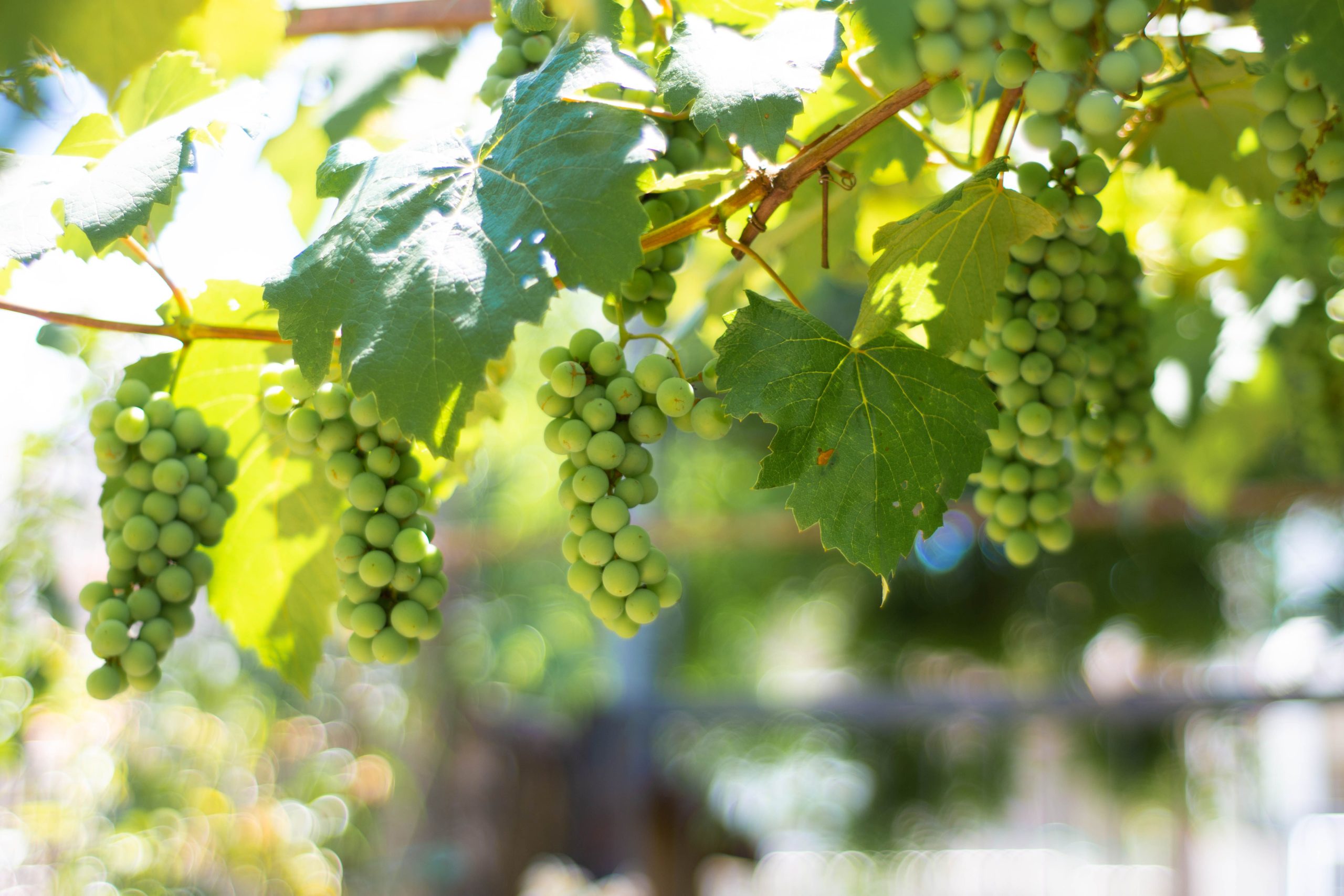
Preparing to leave his young, developing team behind, Jesus bypasses motivational prep talks and operational checklists. Instead, he introduces the metaphor of the vine and the branches—revealing that sustainable momentum is not driven by sheer willpower, but by staying deeply connected to your source (“abide in me”) and cultivating genuine commitment to your people (“love one another”).
Redefining How Sustainable Growth Happens
Knowing his followers are about to face increased responsibility and plenty of challenges in his impending absence, Jesus reframes what real productivity looks like.
- Shifting the Focus From Striving to Connection: Jesus reminds his disciples that a branch does not strain or force itself to produce fruit. Its primary responsibility is to remain attached to the vine, which naturally supplies the life and nourishment required for lasting impact.
- Reframing Setbacks as Intentional Pruning: He explains that even healthy, fruitful branches are cut back so they can bear even more fruit. For emerging leaders, this shifts how you view closed doors or pared-back plans—often, they are not signs of failure, but preparation for stronger, healthier growth.
- Linking Inner Rootedness to Team Culture: Jesus does not allow “abiding” to become passive withdrawal. He immediately ties spiritual connection to a clear command to love one another sacrificially, establishing relational integrity as the true engine of the movement.
Moving From Ambition to Attentiveness
Earlier that evening, the disciples had been debating who among them was the greatest. Now, as the reality of Jesus’ departure sets in, the atmosphere in the room seems to shift from status-seeking to quiet reflection.
Throughout the greater farewell conversation, the disciples voice sorrow, uncertainty, and even anxiety about what lies ahead. As Jesus shares the image of the vine and the branches, their silence reflects a pivotal realisation:
Stepping up to lead does not mean having every answer or carrying the entire burden alone; it means staying anchored to their source and united with one another, even when the future feels uncertain.
Three Principles for Emerging Leaders
Whether you are leading a team, launching an initiative, or stepping into greater responsibility, Jesus’ strategy offers a practical foundation that protects against potential early burnout.
- Guard Your Source Before Pushing Your Output: You cannot sustain outward impact without inward renewal. Before chasing ambitious targets, protect your spiritual grounding, character, and personal rhythms—because a branch disconnected from its source eventually withers.
- Embrace Strategic Pruning: Early in your leadership journey, it is tempting to say yes to every opportunity to build momentum. Learn to welcome pruning—let go of distractions, ego-driven pursuits, and unsustainable commitments so your core calling has room to flourish.
- Lead Through Sacrificial Care, Not Just Strategy: Talent and vision may attract people initially, but authentic loyalty is what sustains a team over time. Commit to serving those around you, building high-trust relationships, and prioritising people over personal recognition.
What Really Matters
Lasting momentum is never built on exhaustion. When you remain connected to what truly sustains you, and invest deeply in the people walking alongside you, meaningful growth follows naturally.
Image credit: Photo by Lucas George Wendt: https://www.pexels.com/photo/green-grapes-hanging-on-vine-6489354/